

Whoa! My first reaction was annoyance at how clunky most wallet flows still feel. I mean, seriously? After years of talking about UX improvements we still wrestle with nonce errors and failed submits. Initially I thought the fix was purely technical, but then I realized design and mental models matter just as much. On one hand there’s clever engineering; on the other, users need confidence—real confidence—before they will move meaningful funds.
Okay, so check this out—dApp integration isn’t just about connecting a wallet. It’s about a predictable transaction lifecycle, simulation up front, and clear risk signals before a user ever hits sign. Hmm… developers often skip simulation because it’s “hard” or “expensive.” That shortchanges users. A good wallet gives a live rehearsal of what will happen on-chain, and that changes behavior. This is the difference between hesitant clicks and decisive action, which in DeFi feels huge.
Here’s what bugs me about many wallets: they treat every approval the same. Really. Approve token? Approve contract? They’re lumped together. My instinct said users want nuance—limits, time windows, single-use approvals—so they can manage exposure. Actually, wait—let me rephrase that: users want tools that make trade-offs visible without drowning them in gas estimations. On top of that, wallets should simulate slippage and reentrancy risk, and show alternatives when gas spikes.
Let me give a short example from my own messy history of clicking things too fast. Once, I signed a seemingly harmless permit that let a contract move tokens with no limit; I didn’t read the fine print and I lost an interesting chunk of funds. Lesson learned the hard way. That feeling—ugh—is a powerful motivator for building safer flows. Somethin’ in me still flinches when a dApp asks for unlimited allowance. That part bugs me.
When you design a wallet for power users, three pillars matter: reliable simulation, transparent approvals, and multi-chain portfolio visibility. Each pillar is necessary on its own, though together they actually form a compounding safety net. On a deeper level, these pillars enable composability without sacrificing control, which is the promise of DeFi if we do it right.
Transaction Simulation: The Unsung Hero
Wow! Transaction simulation is underrated by so many projects. A real simulation reproduces not only gas cost but state changes, token flows, and potential failure modes. Medium complexity first: good simulations query mempool conditions and replay transactions against a near-exact fork of chain state, and that helps catch revert reasons early. The longer view is that this reduces social friction—users trust actions that have been “pre-run”.
On the technical side, there are trade-offs. Running a full node replica for perfect simulation is expensive, though services and light replay approaches help. On one hand you can simulate heuristically and save cost; on the other, accuracy matters for high-value flows, so some hybrid model is often best. For everyday UX, show likely outcomes plus confidence intervals, and let advanced users drill into raw traces if they want to.
Here’s a practical pattern I like: simulate on the client, then validate on a sandboxed backend, and finally surface a compact digest to the user that highlights the three things they care about—what changes, how much gas, and worst-case loss. That triage helps people make fast decisions without deep on-chain knowledge. Also, include escape hatches like “cancel pending” or “pause approvals” for edge cases.
One more note: transaction simulation enables meta-transactions and batching intelligently. If a wallet can pre-validate a batch and estimate savings, users often prefer it even if it introduces a small relay fee. Humans love clarity when money is on the line. It’s a behavioral truth.
Approval UX: Make Consent Granular
Really? Users still see only “Approve” and “Reject” in so many places. That binary is lazy design. There needs to be intermediate options: approve exact amount, approve limited time window, approve single-use, or delegate via a safer contract. Medium sentence: present defaults that favor safety but can be escalated by advanced users. Longer: if you implement permit patterns (EIP-2612) or EIP-712 off-chain approvals, you can reduce on-chain approvals while keeping express user consent, and that lowers attack surface significantly.
On one hand, smart contracts need allowances to operate. Though actually, relayer architectures and account abstraction can minimize allowance needs by routing operations through verifiable intermediaries. Initially I thought full decentralization demanded raw approvals everywhere; however, practical systems balance decentralization and user safety, and that’s fine. Real world users trade absolute purity for workable, understandable security.
A wallet should also offer a clear “approval history” and easy revocation controls. Users must be able to audit past consents and undo them without technical gymnastics. I recommend a timeline view: action performed, contract involved, tokens affected, revocation button. Make it simple. Very very important.
Portfolio Tracking: Beyond Balances
Portfolio features often stop at token balances—but that’s only the tip of the iceberg. You need yield positions, LP share valuations, unrealized gains, and on-chain exposure analytics. Short sentence: context matters. Medium sentence: combine on-chain data with price oracles and build alerts for risky events like price divergence or oracle failures. Long sentence: when you add NFT valuations, token vesting schedules, and cross-chain bridged asset tracking, you give power users a single pane of glass to reason about risk across protocols and chains, which reduces accidental overexposure.
Privacy-wise, portfolio tracking must be permissioned and optionally local-first. Some users want cloud sync; others want local encryption only. Offer both. And be upfront about optional telemetry—call it out clearly so people can make informed choices. I’m biased, but transparency here builds trust faster than any marketing spiel.
Another useful trick: show “what-if” portfolio scenarios. If a user unstakes, what happens to liquidity? If token X drops 30%, which pools become undercollateralized? These simulated scenarios reuse the same engine you’d use for transaction simulation, so it’s efficient to implement both capabilities within a single architecture.
Integrations that Actually Help
Here’s the thing. dApps want low friction, but wallets have the duty to defend user funds. That tension is real. Medium sentence: create secure integration patterns like deep linking with signed metadata, standard approval scopes, and a clear intent payload that the wallet can validate. Long sentence: require dApps to provide machine-readable metadata (action intent, affected assets, user-visible summary) and then verify that the on-chain execution matches the intent, thereby preventing UI-/smart-contract mismatches that historically have led to exploits.
Support for hardware wallets and multisig is non-negotiable for many users. And account abstraction (ERC-4337 and similar) is changing the calculus, letting wallets propose sponsored gas or bundled transactions, which improves UX while preserving safety guarantees. I’m not 100% sure how quickly all of this will land everywhere, but it’s moving fast.
One integration I appreciate is transaction relaying with optional simulation proofs. If a wallet can show a signed simulation proof before relaying a meta-transaction, users see both the intended outcome and who’s sponsoring it. That clarity reduces scams. (oh, and by the way…) it also opens up new business models for wallets without compromising control.
Real-World Tradeoffs and Developer Guidance
Developers sometimes assume more features equals more adoption. Not always. Users want clarity. Short sentence: prioritize the three pillars. Medium sentence: build simulation first, granular approvals second, and portfolio insights third, in roughly that order. Long sentence: invest in UX that makes on-chain failure modes legible—show simulated revert reasons, suggest parameter adjustments, and prevent user panic with actionable guidance rather than cryptic error codes.
For teams shipping dApp integrations, document your intent payloads, standardize the UX language around approvals, and provide test nets with realistic state so wallets can validate complex flows locally. Trust is earned through predictable behavior; you get that by rehearsing outcomes, not by hiding them.
I’ll be honest: balancing speed and thoroughness is hard. There will always be edge cases. But if you treat simulation and clarity as first-class features, most edge cases become manageable. The wallet’s role isn’t to be a gatekeeper only—it’s to be an interpreter, translator, and safety net for users navigating a complex ecosystem.
One final practical nudge: consider giving advanced users a “risk profile” toggle. Low-risk mode enforces strict approvals and extra confirmations. High-risk mode reduces confirmations for power users who know what they’re doing. That way, you accommodate both the cautious mom and the institutional trader—and that diversity is the Web3 promise.
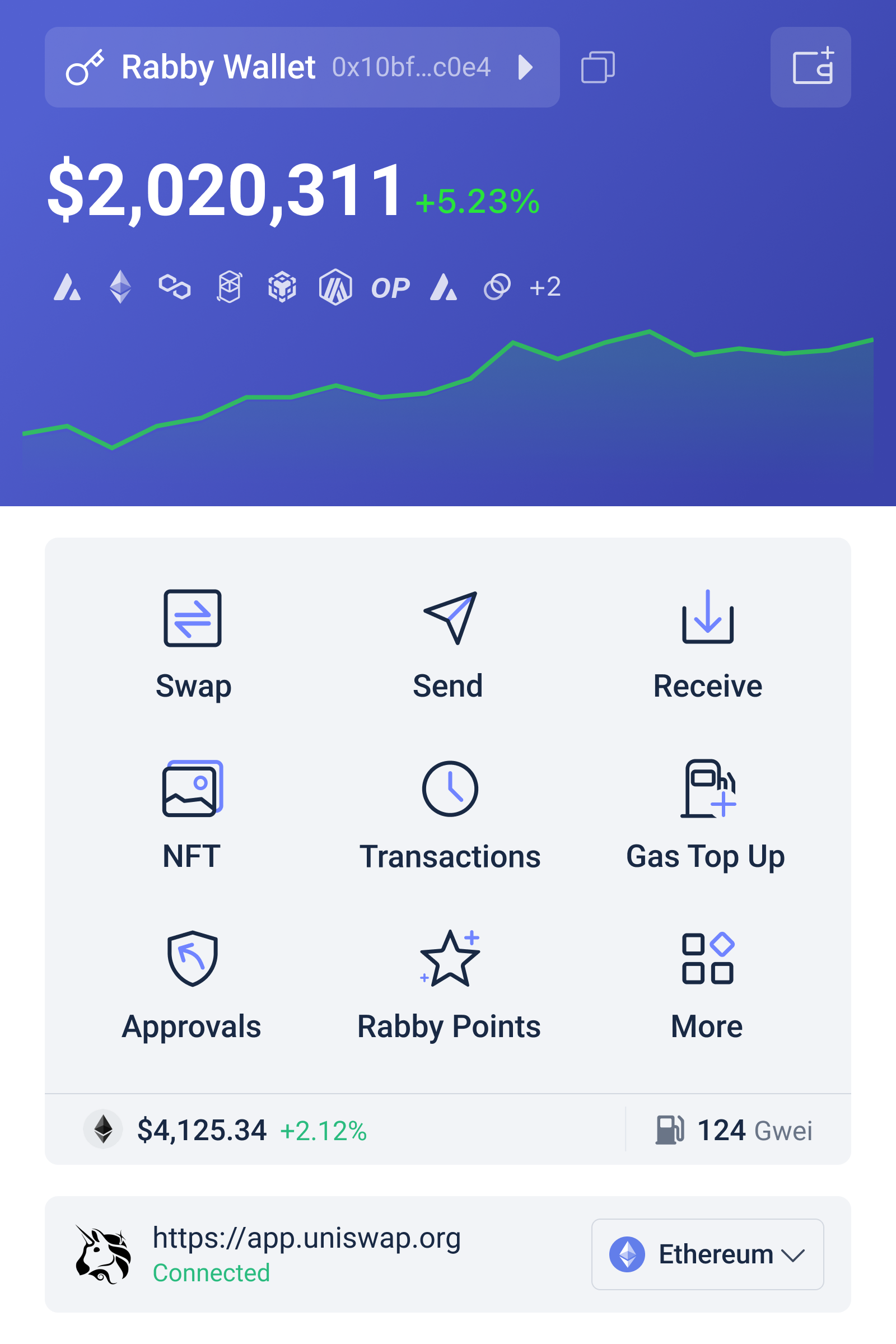
Check this out—if you want a wallet that blends simulation, granular approvals, and portfolio clarity in a friendly UI, try the rabby wallet and see how those features feel in practice. It’s not perfect, but it’s a clear step toward safer, smarter interactions.
FAQ
How does transaction simulation reduce risk?
Simulation reproduces potential state changes before signing, which reveals revert reasons, slippage, and unexpected token flows. That gives users a preview and reduces accidental misuse.
Can granular approvals still support composability?
Yes. Use scoped allowances, permit patterns, and account abstraction where possible, so dApps can operate without broad, indefinite approvals—this maintains composability while lowering exposure.
Should portfolio tracking be cloud-based?
Offer both options: cloud sync for convenience and local-first encrypted storage for privacy. Make the trade-offs explicit so users choose with knowledge.